November 20, 2026
Laminate flooring provides an attractive, cost-effective avenue for homeowners seeking to revitalize their residential interiors within realistic budgets. This engineered surface has evolved from a utility product into a sophisticated solution replicating hardwood, slate, and marble aesthetics. Today, walking into reputable laminate flooring stores reveals an expansive spectrum of textures, protective finishes, and plank dimensions tailored to every aesthetic vision. Achieving a successful transformation requires understanding product composition, comparing alternative surfaces, choosing reliable suppliers, and following proper maintenance.
Understanding Multi-Layer Laminate Construction
Laminate flooring is an engineered, multi-layer synthetic composite designed to emulate natural wood or stone while providing superior wear resistance. First introduced in Sweden in the late 1970s, the product has advanced significantly through modern manufacturing innovations. A standard plank features four bonded layers: a clear melamine wear layer, a high-definition photographic print, a dense core board, and a balancing backing sheet. The top wear layer shields the decorative surface against daily abrasion, pet scratches, and ultraviolet fading. Beneath it, high-resolution imagery reproduces authentic wood grain patterns, complete with knots and organic tonal shifts. The core layer, constructed from compressed fiberboard, delivers dimensional stability and impact resistance. Finally, the backing layer balances the plank to resist warping and guard against subfloor moisture. Modern floating installations utilize precision tongue-and-groove profiles, eliminating the need for adhesives or fasteners.
Comparing Performance Across Alternative Surfaces
Selecting the ideal surface requires evaluating how laminate compares with hardwood, ceramic tile, luxury vinyl, and classic linoleum. Solid hardwood offers timeless prestige and can be refinished, yet it remains susceptible to moisture damage, scratches easily, and commands premium purchase and labor costs. Ceramic tile delivers impervious water protection, but it feels chilly underfoot and requires persistent grout care. Luxury vinyl plank provides excellent resilience against standing moisture, yet lower-tier options sometimes lack textural authenticity. Meanwhile, linoleum remains a sustainable resilient favorite known for remarkable endurance. According to This Old House, linoleum floors can last between 20 - 40 years. Modern laminate achieves a competitive lifespan of fifteen to thirty years under proper care, offering a warm underfoot feel, simpler installation, and superior scratch defense for a fraction of hardwood's cost.
Evaluating Leading Laminate Flooring Stores
Finding superior planks at sensible prices requires surveying the retail landscape and identifying trustworthy laminate flooring stores. National big-box home improvement centers offer widespread convenience, carrying extensive product lines alongside necessary underlayments, moldings, and trim pieces. These retailers frequently advertise seasonal promotions, bundle installation packages, and feature generous return windows for surplus boxes. However, independent local flooring showrooms provide unique advantages that larger chains often cannot duplicate. Regional suppliers frequently showcase boutique brands, rare woodgrain textures, and premium core materials engineered specifically for local climate dynamics. Furthermore, local flooring specialists bring hands-on product mastery, answering technical questions regarding moisture emissions, acoustic barriers, and structural deflection to ensure long-term flooring performance.
Navigating Specialty Showrooms and Wholesale Outlets
Expanding your shopping research beyond retail chains can yield substantial savings and exclusive design opportunities. Wholesale flooring distributors sell directly to contractors and large-scale renovators without retail price markups. Property owners managing extensive whole-home remodels can realize exceptional value through wholesale purchases, provided they satisfy minimum order volumes. Conversely, dedicated boutique laminate flooring stores cater to design-forward homeowners searching for unique aesthetics, such as wide-plank European oak patterns, chevron layouts, or specialized matte finishes. Additionally, digital marketplaces provide convenient price-matching and extensive customer reviews. When shopping online, however, homeowners should first visit physical showrooms or order sample planks to verify color warmth and surface texture under real residential lighting conditions.
Selecting Appropriate Durability Ratings and Finishes
Choosing the ideal plank requires balancing decorative aspirations with objective durability standards. Planks come in varied aesthetics, from rustic wire-brushed textures to sleek modern satin finishes. Beyond surface appearance, homeowners must inspect the Abrasion Criteria rating, universally designated as the AC rating. Rated on a scale from AC1 to AC5, this metric dictates where the material can be successfully installed. Planks designated AC1 or AC2 belong in light-traffic spaces like guest rooms, whereas AC3 planks handle standard residential traffic in living rooms and dining areas. For busy households with children or pets, visiting local laminate flooring stores allows you to select AC4-rated planks, which withstand heavy residential wear. Moreover, shoppers can prioritize indoor air quality by choosing low-VOC, formaldehyde-free planks bearing recognized eco-certifications such as FloorScore or GREENGUARD.
Budgeting Accurately for Materials and Installation
A comprehensive project budget must account for ancillary materials and potential site challenges rather than focusing solely on square-footage plank costs. In addition to primary floorboards, renovations require sound-dampening underlayment, polyethylene vapor barriers, perimeter spacers, and color-matched transition thresholds. Seasoned renovators always budget a ten to fifteen percent material overage to accommodate cutting waste, room angles, and future plank replacements. Visiting reputable laminate flooring stores provides access to expert sales staff who can review floor plans and anticipate hidden expenses, such as self-leveling subfloor compounds or disposal fees for discarded coverings. Homeowners must also weigh the financial trade-offs between hiring licensed mechanics and tackling installation as a do-it-yourself project, factoring in necessary tooling like miter saws, pull bars, and tapping blocks.
Preparing Subfloors and Executing Installation Steps
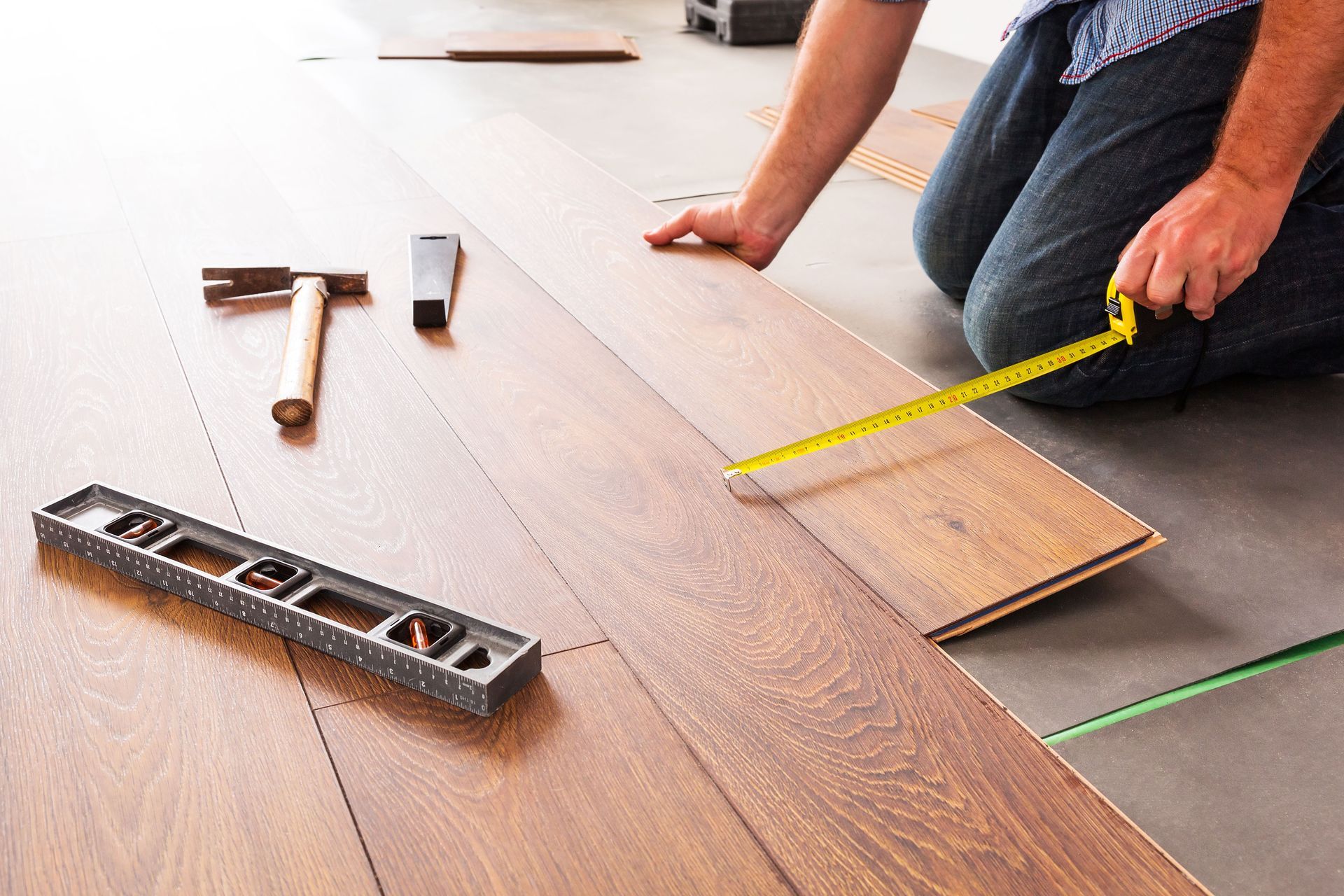
Proper installation begins long before locking the first two planks together. A stable floating floor requires a dry, sound, and flat subfloor, with planar deviations not exceeding three-sixteenths of an inch over a ten-foot span. Installers must scrape away debris, countersink exposed fasteners, and fill low spots with leveling patches. Crucially, unopened flooring boxes should acclimate inside the installation room for 48 to 72 hours, enabling the engineered core to stabilize to indoor temperature and humidity levels. Maintaining perimeter expansion gaps prevents buckling during seasonal humidity shifts. Staggering end joints by at least eight inches between adjacent rows ensures structural integrity and a pleasing visual distribution across the living space.
Maintaining Protective Wear Layers Over Time
Preserving the factory luster of laminate flooring requires regular, sensible housekeeping rather than heavy scrubbing or waxing. Loose grit, pet fur, and dirt should be collected daily using a soft microfiber dust mop or a hard-floor vacuum attachment without a rotating beater bar. For deeper cleaning, homeowners should use a lightly dampened mop with a manufacturer-approved, pH-neutral cleaner, avoiding steam cleaners or wet mops that can force moisture into board seams. Placing felt protective pads underneath furniture legs and positioning heavy-duty walk-off mats at exterior doors minimizes abrasion from tracked-in grit. If accidental gouges or surface scrapes occur, top laminate flooring stores carry specialized color-matched wax repair sticks and putty systems that disguise blemishes without requiring complete plank replacement.
Enhancing Cohesive Interior Aesthetics and Value
Strategically selected laminate flooring elevates residential aesthetics while contributing measurably to overall property valuation. Lighter tones such as white oak, natural maple, and ash visually expand smaller living areas by bouncing natural light into darker corners, creating an open and welcoming environment. In contrast, deep espresso, smoked hickory, and walnut tones infuse large, airy rooms with grounded elegance. Coordinating plank undertones with baseboards, cabinetry, and wall palettes produces a harmonious atmosphere throughout the property. Real estate appraisers and prospective buyers value modern, durable hard surfaces over worn carpeting, recognizing the hygiene and low maintenance of contemporary laminate. By investing in resilient flooring, homeowners enhance daily lifestyle comfort while securing strong appeal for future resale. If you are ready to discover remarkable flooring collections and transform your residential interior, visit Linoleum City Portland to explore premium materials, receive tailored recommendations from seasoned flooring specialists, and start your home transformation today.